Innovative Treatments That Restore Lives
At Crusaders for Hope, we understand that healing from trauma, depression, and burnout isn’t one-size-fits-all. We fund and facilitate access to cutting-edge therapies that offer real, lasting relief—especially for those who have not found success through conventional care.
Each treatment we support is overseen by expert clinicians and customized to the individual’s needs. Our program currently offers financial aid for the following therapies:
Ketamine Therapy
Ketamine is a medicine that has been safely used in hospitals for over 50 years, primarily for anesthesia. In recent years, it’s become one of the most promising breakthroughs in treating depression, PTSD, anxiety, and suicidal thoughts—especially when other treatments haven’t worked.
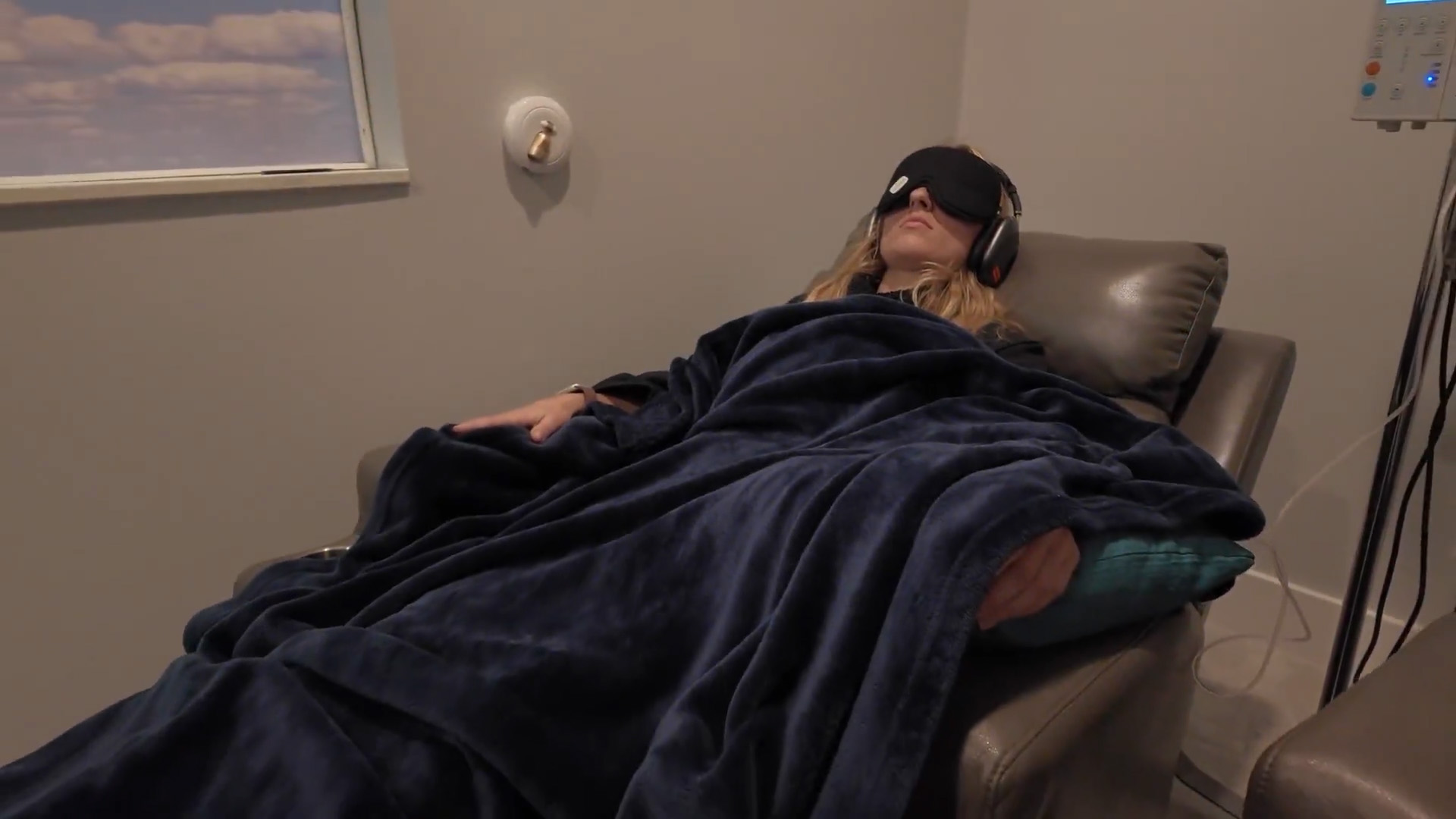
How Ketamine Therapy functions
Ketamine works differently from traditional medications. Instead of targeting serotonin or dopamine, it acts on the glutamate system in the brain. This boosts neuroplasticity—the brain’s ability to form new, healthier connections. By “resetting” overactive or stuck pathways, ketamine can quickly reduce symptoms.
What You Can Expect
- Compassionate, guided treatments focused on your comfort and well-being
- Safe administration through a slow IV infusion or intramuscular injection in a professional medical setting
- Noticeable improvement often after the first session, with lasting relief usually within 1–3 treatments
- Sessions designed to be efficient, typically lasting about 60 minutes
Who It Helps
- Veterans and first responders who haven’t found relief through traditional treatments
- Those navigating PTSD, depression, or suicidal thoughts
- Individuals living with chronic or service-related pain
Hormone Replacement Therapy (HRT)
Hormones like testosterone, estrogen, and progesterone play a major role in mood, energy, memory, and sleep. When they fall out of balance—due to stress, age, or trauma—you may feel off physically and emotionally. Hormone Replacement Therapy brings those levels back into balance.
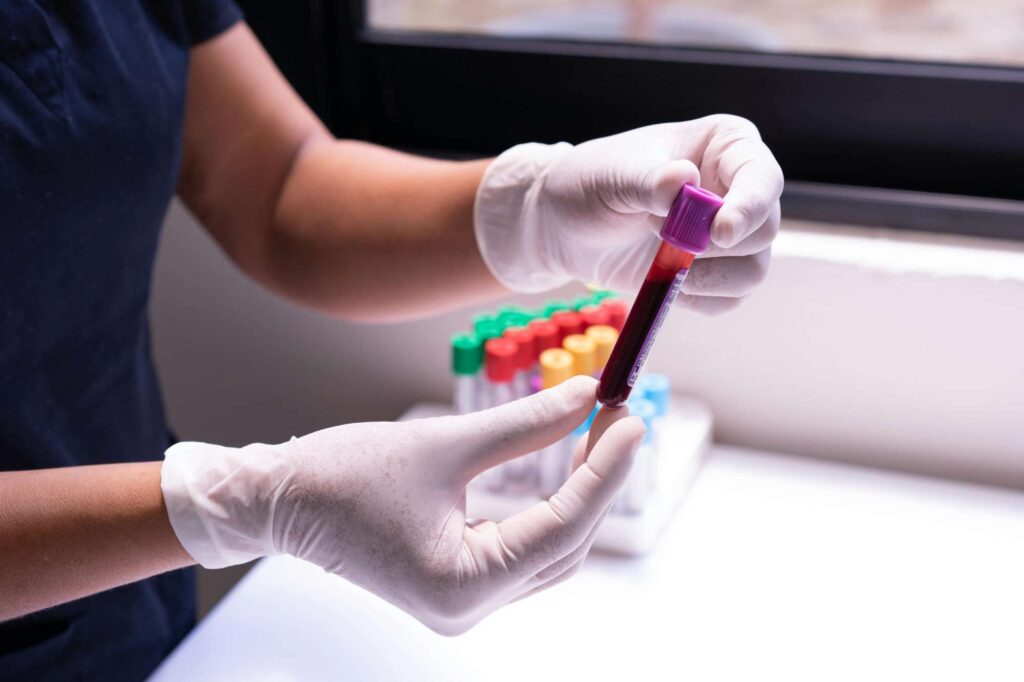
How HRT works:
Hormone Replacement Therapy (HRT) uses bioidentical hormones to restore normal function in key areas of your body and brain. Proper hormone levels help regulate stress response, improve sleep, and enhance overall well-being. By addressing hormonal imbalances, it can improve emotional well-being and quality of life.
What You Can Expect
- Comprehensive consultation to review your health history, symptoms, and factors affecting hormone levels
- Labs and blood work to get a clear picture of your hormone balance
- A personalized hormone plan, including medications and lifestyle recommendations
- Gradual improvements in mood, energy, and overall well-being
Who It Helps
- Veterans and first responders struggling with hormonal imbalances
- Those experiencing depression, PTSD, or chronic stress
- Individuals managing long-term pain or fatigue related to service
- Anyone looking to restore energy, resilience, and overall well-being
How it works
Step-by-step process to work together
1. Complete the CFH Application
Begin by completing the CFH application available on our website. Be sure to answer every question, as this will help us process your application more efficiently.
2. Application Review
After submission, our Approval Committee will review your application within 1–2 weeks. If more information is needed, a staff member may contact you within a few days.
3. Schedule Your Consultation
Once approved, you will be contacted to schedule a one-on-one consultation with Priority You, where you will meet with Dr. Agin.
4. Personalized Treatment Plan
During your consultation, Dr. Agin will assess your symptoms, order blood work, and create a personalized treatment plan. Based on results, you may receive supplements, peptides, medications, and 5–10 ketamine sessions to support your health and recovery.
5. Schedule Your Ketamine Treatments
Together you and Dr. Aging will decide how often you should undergo treatments. Options include two treatments per week, one treatment or bi-weekly—whichever best fits your situation.
6. Guided Sessions
During your ketamine treatments, our skilled nursing team will be with you as long as you need throughout each session. They’ll explain what to expect, ensure your comfort, and remain accessible at all times via a call button should you need anything.
Post-Treatment Reflection
After your session, you are encouraged to reflect on your experience. You may choose to discuss it with our nursing staff or document it privately in a journal, both of which can enhance your therapeutic journey.
Frequently Asked Questions
Ketamine Therapy for Military & First Responders
How does ketamine therapy work?
Ketamine works by boosting something called neuroplasticity, which is the brain’s ability to change, adapt, and form new connections. This makes it easier to break free from stuck thought patterns (thought loops), reduce the emotional weight of traumatic memories, and build healthier ways of thinking and feeling. For people who’ve been through repeated stress or trauma such as combat or critical incidents, this can restore a sense of emotional balance and control.
How quickly does ketamine therapy begin to work?
Many individuals—particularly those struggling with severe depression, PTSD, or suicidal thoughts—experience some improvement within, during and for the next several hours after their first treatment. Depending on the individual, these improvements can then last days to even weeks. While responses vary, most begin to feel noticeable and more sustainable relief within 1 to 3 sessions. A full treatment series, typically consisting of 5 to 10 infusions, delivers the most sustained benefits.
What conditions is ketamine therapy used for?
Ketamine is best known for its rapid effects on depression, anxiety, and post-traumatic stress disorder, but we have been exploring it as a powerful tool in a wide range of brain-related conditions. Because ketamine can enhance neuroplasticity, ketamine may help support recovery from traumatic brain injury (TBI), post-concussion syndrome, and even early-stage neurodegenerative diseases such as Alzheimer’s and Parkinson’s. Based on our clinical observational trials, ketamine also has nootropic effects, aiming to boost mood, creativity, and cognitive flexibility. As research continues, ketamine is becoming a promising option not just for mental health, but for brain optimization and neurological repair.
Is ketamine therapy safe?
Yes, ketamine is administered in a controlled medical setting, making it safe and well-tolerated. Treatments are overseen by trained professionals, and patients are monitored throughout each session. Side effects are generally mild and short-lived, such as dizziness or mild disorientation.
What does a ketamine treatment feel like?
Although, ketamine experiences vary from person to person, most describe the experience as being in a detached or dream-like state, accompanied by deep introspection or a sense of calm.
Ketamine infusions are designed to support the brain in healing and growing through emotional challenges. By enhancing neuroplasticity, ketamine helps people move through struggles, past traumas, and even hidden blocks that may be contributing to depression, anxiety, or feeling stuck. It’s common to experience emotional moments during some of the sessions, sometimes even crying or releasing long-held feelings, but this is part of the process, not a setback. Think of it as a window opening inside your mind, giving you space to reflect, reset, and release.
Ketamine doesn’t trap people in their past or cause mental symptoms. Instead, it gently helps bring things to the surface so they can be seen, understood, and let go. Many people say they feel “lighter” afterward, with more clarity, peace, and emotional freedom. The experience is yours, but you won’t go through it alone. You remain aware, and your medical team is support you throughout the process. The sessions are closely monitored to ensure your comfort and safety.
How often are treatments scheduled?
Treatment schedules are individualized. Together you and the Doctor will decide how often you should undergo treatments. Options include two treatments per week, one treatment or bi-weekly and most will start with either a series of 5 or 10. Over time, the treatments will start to be scheduled weeks to months apart to allow for integration and self-work.
Is ketamine therapy a standalone treatment?
Ketamine is most effective when integrated into a comprehensive care plan, including peer support or counseling along with lifestyle changes. It is a powerful tool for emotional and psychological reset, but continued support ensures long-term success and resilience.
Who qualifies for treatment through CHF?
Active duty or retired Military personnel and First Responders who have not found relief through traditional treatments and are unable to afford the cost of Ketamine therapy.
Why do we help?
We support our Military and First Responders when traditional treatments and therapies fall short which, unfortunately, is all too common. While Ketamine therapy is FDA-approved and has shown life-changing results, it’s rarely covered by insurance, making it financially out of reach for many of our heroes. We’re here to bridge that gap and ensure they get the care they deserve.
What therapy do we offer?
Ketamine therapy is a medical treatment that uses low doses of ketamine via injection or infusion delivery.
Do you have more questions?
We are restoring mental and physical well‑being
At the core of our offering is our first-class medical centers